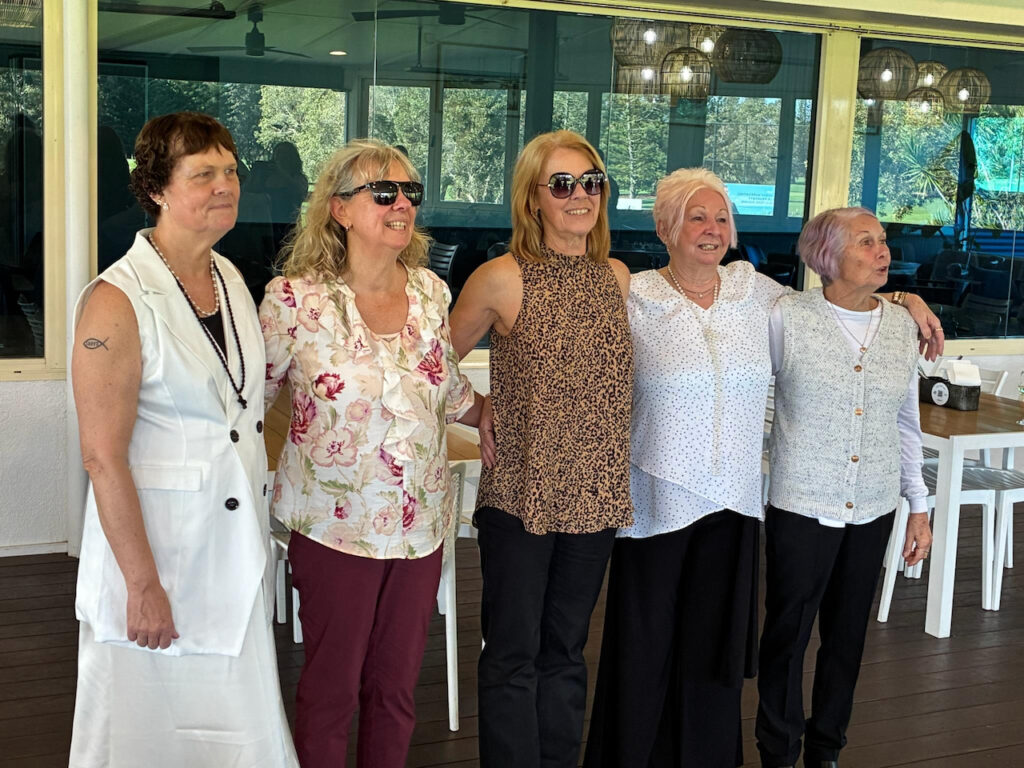
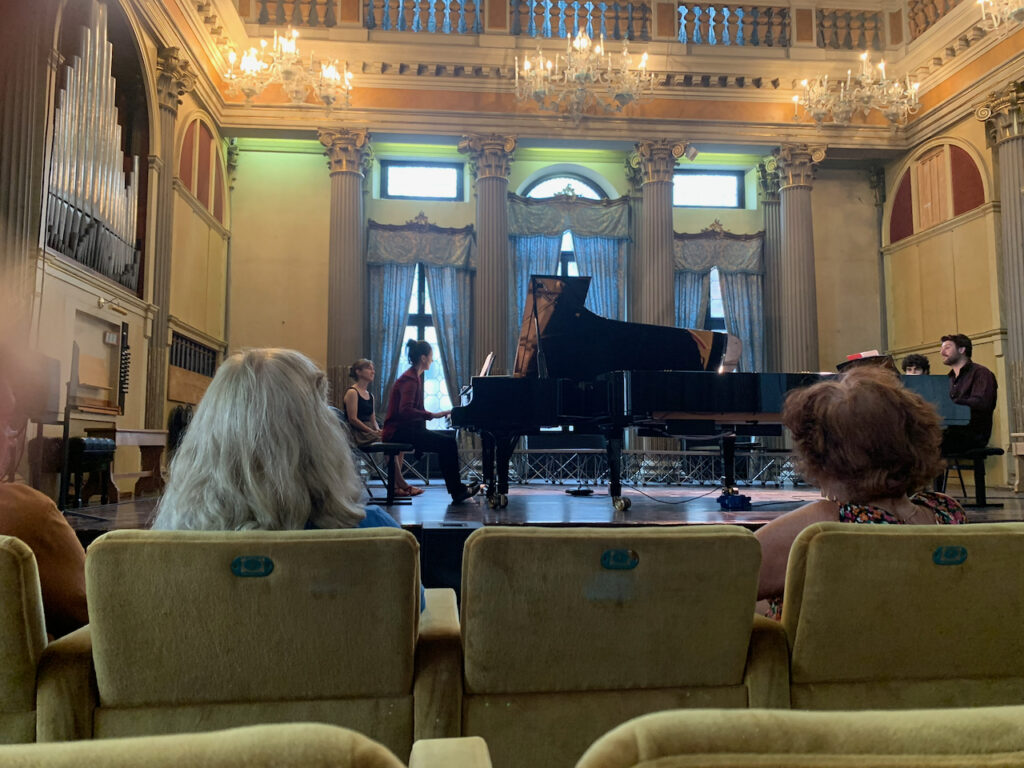
As I work my way through the news one morning, my heart sinking further and faster with each new doom-laden headline, I stumble across an essay by a freelance writer called Polly Hudson. The title? There are two kinds of people in this world: hosts and guests. Nobody can be both. https://www.theguardian.com/commentisfree/2026/sep/15/there-are-two-kinds-of-people-in-this-world-hosts-or-guests-nobody-can-be-both
It’s a revelation.

‘I am neither present nor absent,’ she writes of herself as a host, ‘but an infuriating combination of the two. I loiter. I lurk. My energy is that of a surgeon dashing to the operating room, who has just noticed that they’ve forgotten everything they learned at medical school.’
This is me: Manuel from Faulty Towers on speed. It’s such a comfort to discover that someone else feels just the same that I want immediately to write to her, meet he for coffee, become her friend. Someone who understands!
But after years of hosting anxiety, I still haven’t learned the lesson. ‘Come for lunch,’ I say. ‘Come and stay for as long as you like.’ ‘Let’s have a drinks party.’ And it goes on. Why? Because I love to have my friends around me, because I love to meet new people, and I love introducing people to others they don’t know. And, to give me my due, I’ve helped forge some long term friendships that would otherwise not have happened. But, deep down, I suspect they all get on better when they’re somewhere else and not at my house with me playing host.
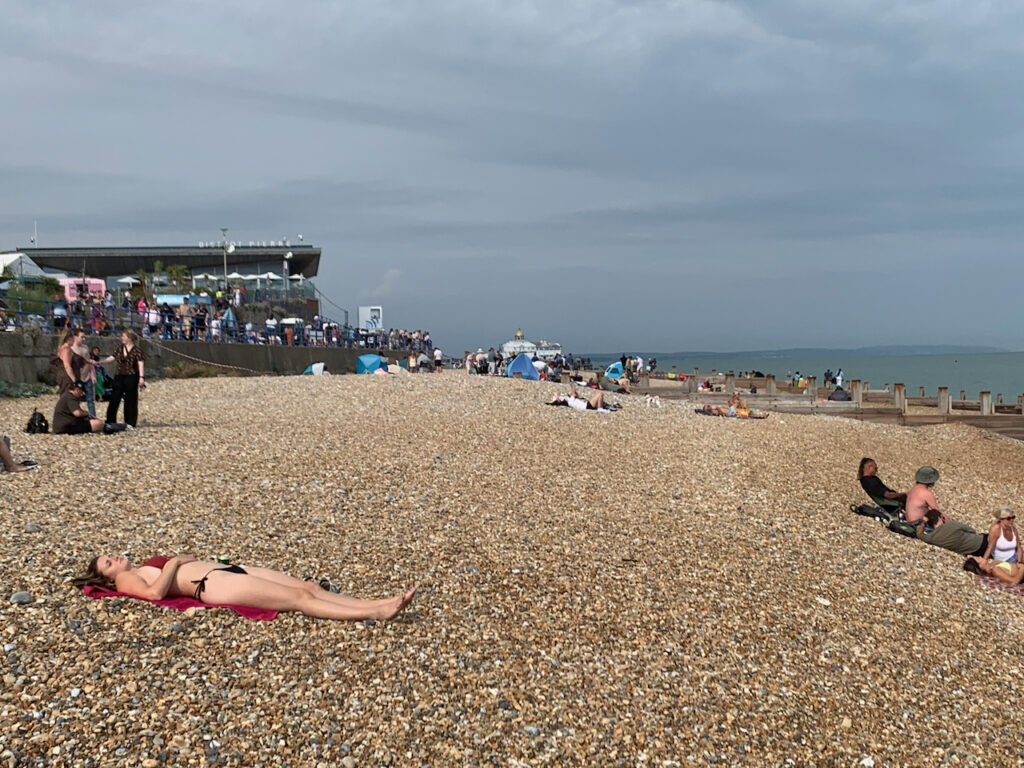
Talking of friends, our besties from Malvern, Penny and Geoff, have just been visiting and I’m very pleased to see them. But of course, I fuss and dash about, constantly alert to what might be needed next, despite the fact that we’ve known each other since our children were babies and they are totally undemanding. I eventually settle down, mostly because I’ve exhausted myself, and also because, when we’re not doing something else, they are happy to cycle down to the Senior Tennis Tournament taking place at Devonshire Park. These are our sporty friends and were supposed to be playing in the tournament themselves (before life intervened) so they know many of the players.

While here, Geoff and I talk about books. We’ve read many of the same novels, but we also introduce each other to writers we don’t know. I give him a novel by a Columbian writer and several days after their visit, a parcel turns up in my porch with Barbara Kingsolver’s ‘The Lacuna’ inside. It’s set in Mexico in the 1920s/30s/40s and is based around the lives of the artists, Frida Kahlo and Diego Rivera, including their relationship with Leon Trotsky.
I don’t know how I’ve managed to miss this writer, twice winner of the Women’s Prize for Fiction, not to mention the Orange Prize, the Pulitzer and a plethora of others. Her descriptions and observations are both unique and highly evocative. She produces the sort of metaphors that make you want to give up writing: what’s the point when writing like that is already out there?
By complete coincidence, our first Art Society lecture of the new season is on the life and work of Frida Kahlo. We first saw her art exhibited in Aukland in 2022. Little known outside of Mexico for many decades she is now much in demand in many countries, despite the fact that it’s extremely difficult to get permission to remove her art work from Mexico. Her paintings, like the painter, are bold, bright and often full of pain. It’s hard to imagine the effort it must have taken to keep up her meticulous appearance when the body beneath the clothes was in a constant state of disintegration.
Interestingly, at least according to The Lacuna, Frida was also a rather hyped up host so perhaps she, Polly Hudson and I have that in common. There’s little else as far as I’m concerned. I can’t paint, I’ve never been to Mexico and I certainly haven’t had a fling with a Russian Bolshevik. So, should I finally give into the knowledge that I was never cut out to be a host? Probably not. It would feel like a failure and anyway, I enjoy seeing people too much. Tomorrow, we’re heading off to Lewes, where I’ll be introducing our new neighbours to some artists I happen to know there. It’s a compulsion.